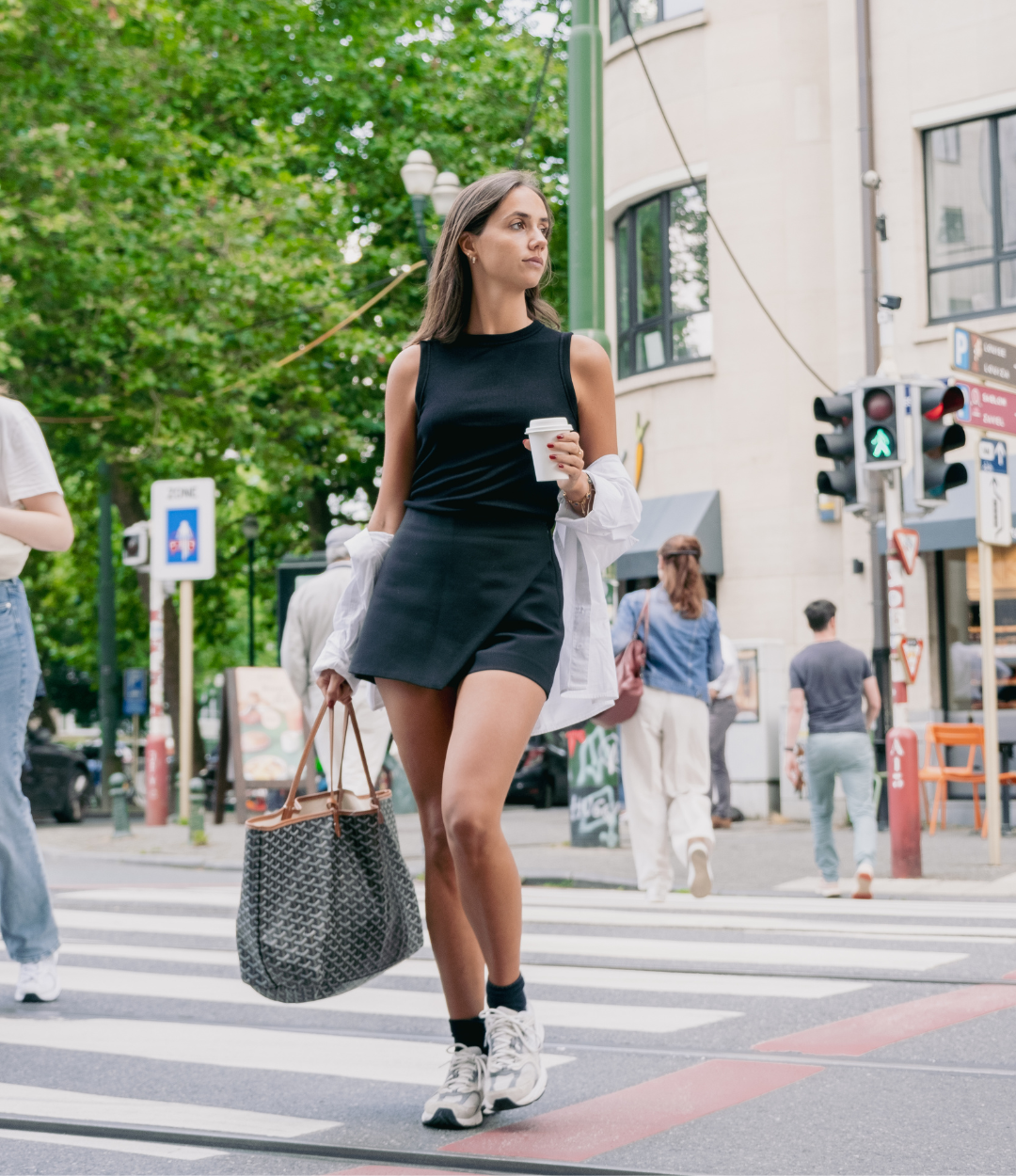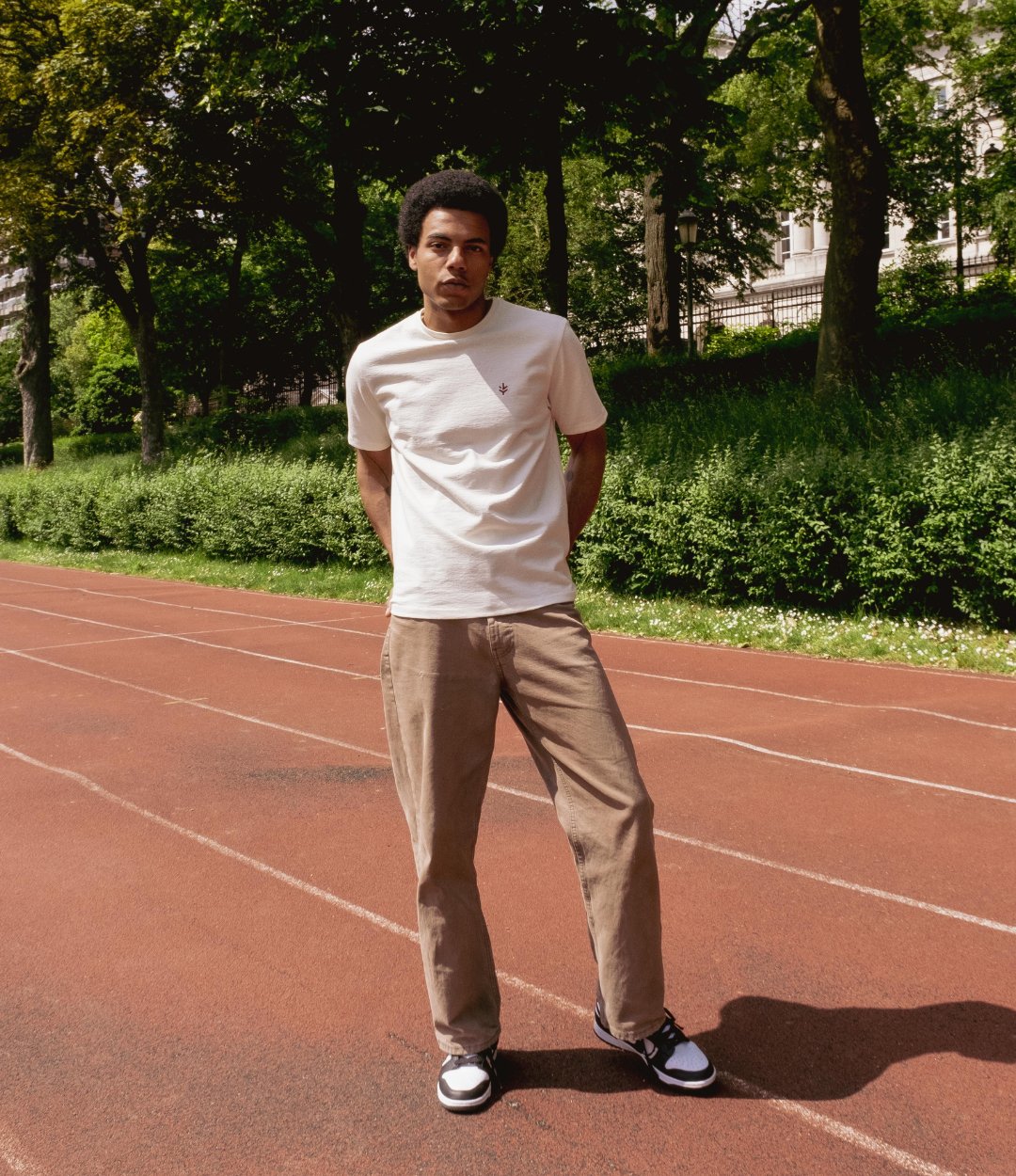

Finding truly sustainable and genuinely made-in-France brands isn't easy. Between marketing hype and sometimes vague labels, it's hard to know who's doing what… and where. Yet, a new generation of players—and a few well-established pioneers—are shaking up the French fashion industry. They manufacture locally , prioritize responsible materials , and produce less but better. To help you navigate this landscape, we've gathered the best sustainable made-in-France brands here: those that focus on transparency, quality, and clothing designed to last.
Because behind this choice of " local ," there's much more than just an argument: it's a model that promotes reshoring , maintains jobs close to home , and preserves often-threatened skills . Manufacturing in France also guarantees genuine traceability , reduces dependence on fragile global supply chains, ensures regulated working conditions , and reconnects fashion to its local roots.
In this article, discover the best sustainable brands made in France, those that choose local sourcing, transparency and respect for life.

Lucid Collective
Lucid is a brand that proves that local , sustainable and ethical fashion can be much more than an ideal. It designs and manufactures all its pieces in France and Belgium , in sheltered workshops or social reintegration workshops, in order to support local employment and the local economy as much as possible.
The clothes are made from superior quality materials Recycled or very low-impact materials (recycled wool and cotton, European linen) are carefully selected for their strength . Thanks to demanding certifications such as GRS, Oeko-Tex, and Master of Linen, Lucid guarantees more robust, more stable pieces designed to last .
Their final pillar? Total transparency to show that they are doing things right. Every workshop, every material, every step is documented and accessible, to demonstrate not only that they are doing things right , but also to highlight the local businesses that make this production possible.
The Clean T-shirt
The Clean T-shirt is the story of a basic item that became exemplary. This brand decided to do things simply: a good t-shirt , well cut, made entirely in France , with natural materials such as organic cotton or French linen.
Every step of production, from knitting to garment making, is done locally and easily traceable on the corresponding product page. The result is a garment that is not only durable and comfortable but also transparent. All this without flashy logos or unnecessary marketing promises. Sometimes, simplicity is true luxury.
Loom
At Loom, they decided to put an end to clothes that wear out too quickly and collections that change every three months. The brand designs pieces made to last , manufactured mainly in Portugal but also in France in responsible workshops , using organic, recycled and above all certified materials.
Their approach is clear: produce less, but better. No greenwashing, just solid, comfortable and honest clothes, made for those who want to break free from the fast fashion cycle.
The French Underwear
Founded in 2011, Le Slip Français has brought "Made in France" back into the spotlight. Behind its humorous campaigns, the brand champions 100% French manufacturing , from yarn to finished product, in a network of workshops spread across the country.
Underwear, pajamas, sweaters, and accessories—everything is designed to showcase local craftsmanship and support textile employment in France. A human-scale , sustainable production, proud of its origins.
Asphalt
At Asphalte, there's no question of mass production to fill warehouses. Here, clothing is born from genuine dialogue with the community: customers participate in the creation of the pieces , from the choice of materials to the final cuts. Then, everything is made to order, via a weekly pre-order system . The result: zero overproduction, zero waste.
The clothes are designed in Europe , in workshops carefully selected for their expertise and exemplary working conditions . The materials are certified , sustainable , and traceable to avoid any unpleasant surprises. And thanks to their complete transparency (thank you, FairlyMade), we know exactly where each piece comes from.
1083
At 1083, jeans become a symbol of common sense. The brand has taken on a simple yet ambitious challenge: to manufacture all its clothing within 1083 km of your home. From weaving to sewing, everything is done in France , within a relocalized and transparent supply chain.
1083 works with organic cotton , clean dyes, and committed workshops to create durable, repairable, and traceable jeans . Here, they're not just selling a pair of pants, but a different way of consuming: local, ethical, and meaningful. When you consider that a typical pair of jeans often travels 65,000 km before ending up in your closet, you realize they've clearly found the right distance.
The Gentle Factory
Based in Roubaix, La Gentle Factory envisions responsible, local, and positive fashion. The brand manufactures all its clothing in France , in carefully selected partner workshops that share its social and environmental values. Organic cotton, linen, recycled fibers … each material is chosen with care to minimize its impact on the planet.
Here, there are no collections that change every month: each piece is designed to last, with a simple and timeless design. Their credo? Produce less, produce better , and give meaning back to each garment.
Tuffery Workshop
Since 1892, Atelier Tuffery has been making jeans in Florac, Lozère. Four generations later, the family continues a unique French denim expertise , passed down from hand to hand in their workshop. Each pair of jeans is handcrafted from natural, locally sourced materials such as organic cotton, linen, and merino wool.
Here, sustainability is not a trend, it's a tradition. Far from fleeting fads, Atelier Tuffery champions a common-sense approach to craftsmanship: producing less, better, and close to home.
Ecclo
At Ecclo, nothing is lost, everything is transformed. The brand manufactures its clothing in France using repurposed fabrics : recycled fibers, surplus stock, or unsold materials from major fashion houses. Each piece is designed with a zero-waste approach and produced in limited series in local workshops .
Their goal is to breathe new life into existing products and prove that it's possible to create without overproducing. By focusing on transparency and close relationships, Ecclo embodies a simple, honest, and committed approach to fashion.
Armor Lux
Founded in Quimper in 1938, Armor Lux embodies one of the last great bastions of French-made knitwear. In its Breton workshops, the brand still manufactures its iconic Breton striped shirts, sweaters and pea coats, perpetuating a unique textile expertise .
Committed to local and sustainable production , Armor Lux values French supply chains, responsible materials and controlled manufacturing from start to finish. A historic company that proves that it is possible to evolve with the times without denying its roots.
If you're too lazy to read everything
👕 True Made in France is the kind where you can trace every step, from the workshop to the thread, without marketing ambiguity.
🇫🇷 Choosing Made in France means betting on relocation: more independence, more jobs, more transparency, and above all, more common sense.
🏷️ Good labels (Origine France Garantie, EPV, GOTS, OEKO-TEX) help you identify truly committed brands.
🤝 Responsible brands are truly committed: local production, recycled materials, ethical workshops and total transparency.
How to recognize a garment Made in France?
Recognizing a garment made in France isn't just about the label. Of course, the "Made in France" label or the mention of the place of manufacture is a good starting point, but to be sure, you need to look at all the stages of production : the cutting, the sewing, the finishing, and if possible, the origin of the raw materials. Some brands, like Lucid , go even further by indicating the exact origin of each fiber , the knitting or weaving location, and the workshop that made the garment .
Other official labels can reinforce this confidence: Origine France Garantie , which certifies that at least 50% of the garment's production cost is French, or Entreprise du Patrimoine Vivant (EPV) , which recognizes French artisanal and industrial expertise. Therefore, paying attention to these designations and labels, as well as the information on the brand's website, is essential to recognizing a truly Made in France garment .

Why choose clothing Made in France?
Choosing Made in France clothing means supporting a vital movement: the relocation of fashion. After decades of offshore production, often opaque and socially unjust, more and more brands are choosing to bring their workshops back to manufacture closer to consumers.
Relocating production means first and foremost regaining industrial independence : less dependence on fragile global supply chains, and greater control over quality, delivery times, and working conditions. It also means guaranteeing genuine traceability through visible, transparent production that respects social and environmental standards. This choice also allows us to promote French expertise , create local jobs, and restore meaning to textile manufacturing.
Which labels should I be looking for?
To ensure that a garment is truly Made in France and sustainable , certain labels and certifications are reliable:
- Origine France Garantie (OFG) : certifies that more than 50% of the production cost is French.
- Living Heritage Company (EPV) : recognizes workshops and brands that perpetuate French artisanal or industrial know-how
- GOTS (Global Organic Textile Standard) : guarantees the use of organic cotton, respect for the environment, and fair social conditions.
- OEKO-TEX Standard 100 : guarantees the absence of harmful chemicals.
- Internal labels or transparent traceability : some brands like Asphalte use FairlyMade to show the complete chain of the garment, from fiber to workshop, which allows the consumer to consume with confidence.
Looking for these labels and certifications is an excellent way to verify the authenticity of brands' commitments and avoid greenwashing. If you want to learn more, you can check out our article on labels and certifications .

How are brands making concrete commitments?
The commitments of responsible French brands are numerous and very concrete:
- Local and controlled production : nearby workshops (Lucid in Belgium and France , 1083 throughout France, Armor Lux in Quimper, Atelier Tuffery in Lozère).
- Relocation and local jobs : by bringing production back to the region, these brands are helping to create jobs, revitalize regional textile industries, and reduce dependence on global supply chains. A concrete way to breathe new life into professions that are sometimes threatened.
- Responsible materials : organic cotton, linen, recycled wool, upcycled fibers, repurposed fabrics.
- Responsible production : pre-orders (Asphalte), co-creation with the community (Asphalte, Loom, Lucid), limited series (Ecclo, La Gentle Factory) to avoid unsold items and reduce waste.
- Transparency and traceability : brands publish the complete journey of the garment, its carbon footprint and production conditions.
- Durability and repair : strong, easy-care clothing, designed to last or repairable.
In summary, choosing a Made in France and sustainable garment means consuming less, better and with full knowledge , while supporting local sectors, artisanal know-how and environmentally friendly fashion.