

In our search for THE most comfortable material suitable for a certain type of typically feminine clothing, we quickly fell in love with Ecovero viscose.
Soft, fluid, comfortable, biodegradable, low impact , … so many words to describe this material which has allowed us to create the most feminine piece in our wardrobe so far (we'll tell you about it at the end of this article 👇).
But every time we talked about this material with people around us, we were always asked if it wasn't a plate of pasta rather than textiles.
We've put together a short article to tell you absolutely everything about this incredible subject.
If you're too lazy to read everything:
🌳 Ecovero is a soft and strong textile, based on wood pulp
💧 Uses 10x less water than cotton, emits 2x less CO2 , is 100% biodegradable and traceable
👗 We also chose Ecovero for its long, fine fibers , which give the fabric great fluidity , strength , and unique comfort
💪It's not prone to pilling or shrinking and usually doesn't need ironing . Amazing!
🥵Ecovero absorbs water better than cotton or linen, making it a great choice for summer.
⚠️ Slightly more expensive , and you need to check the wood's origin to avoid supporting deforestation
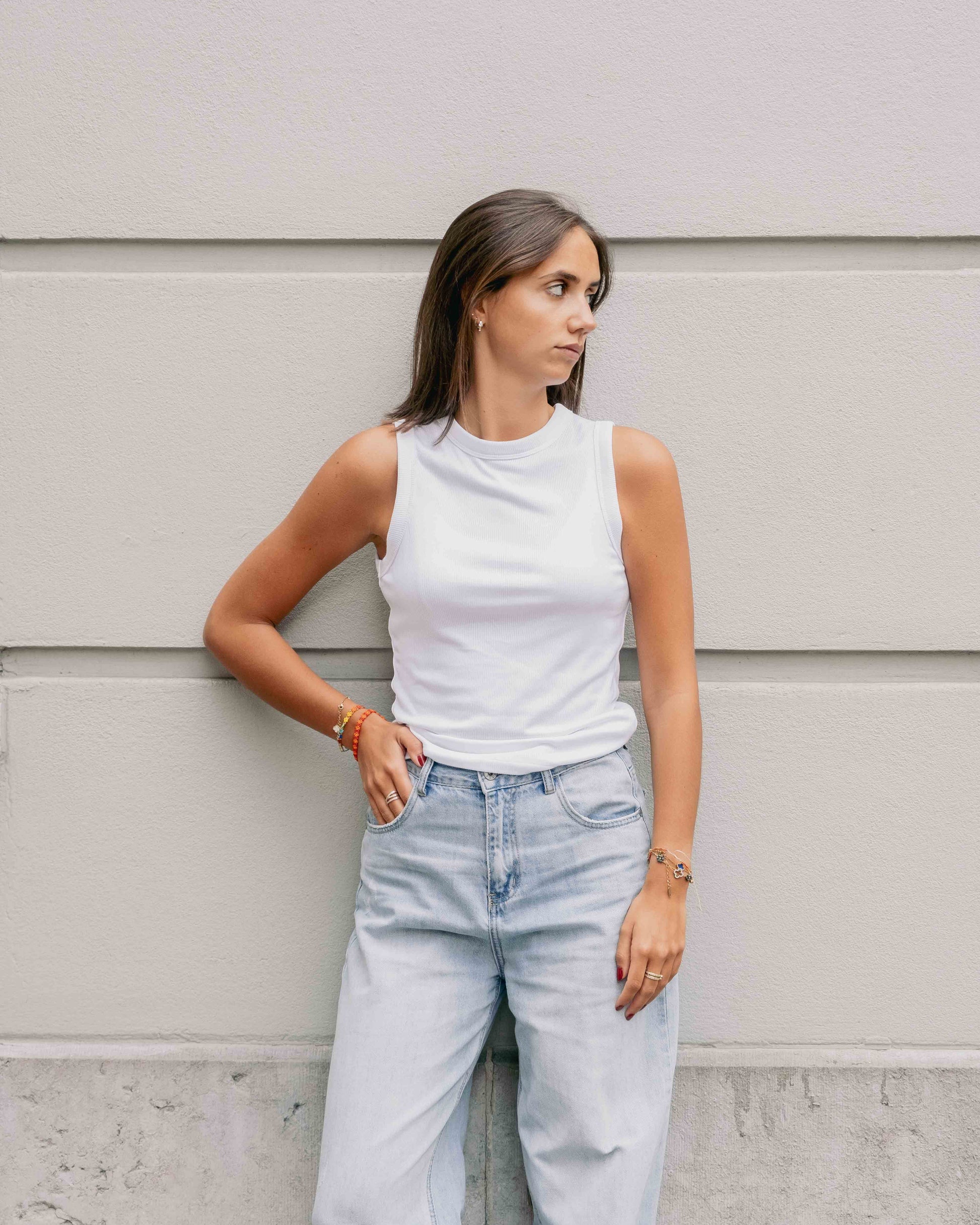
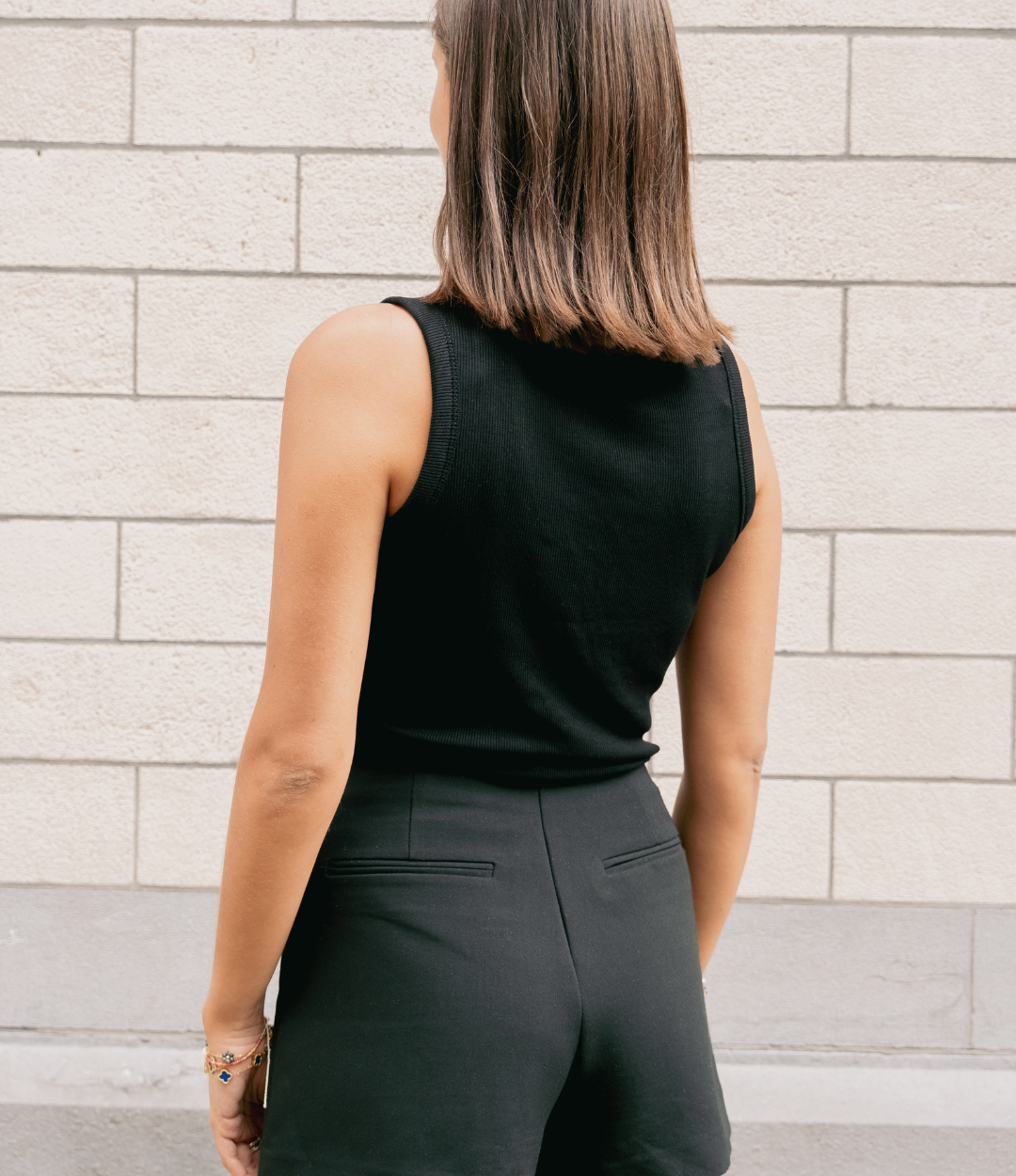
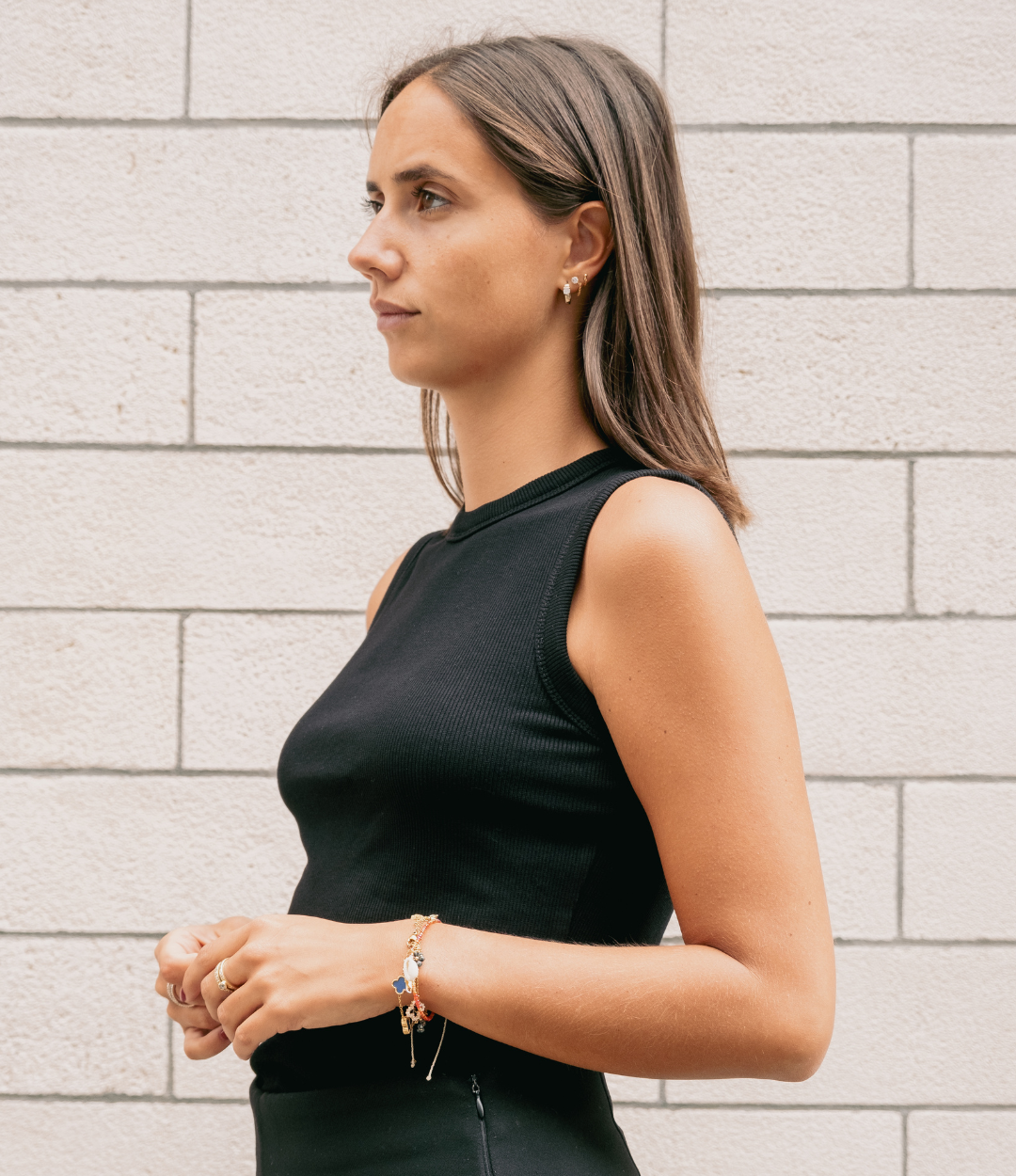
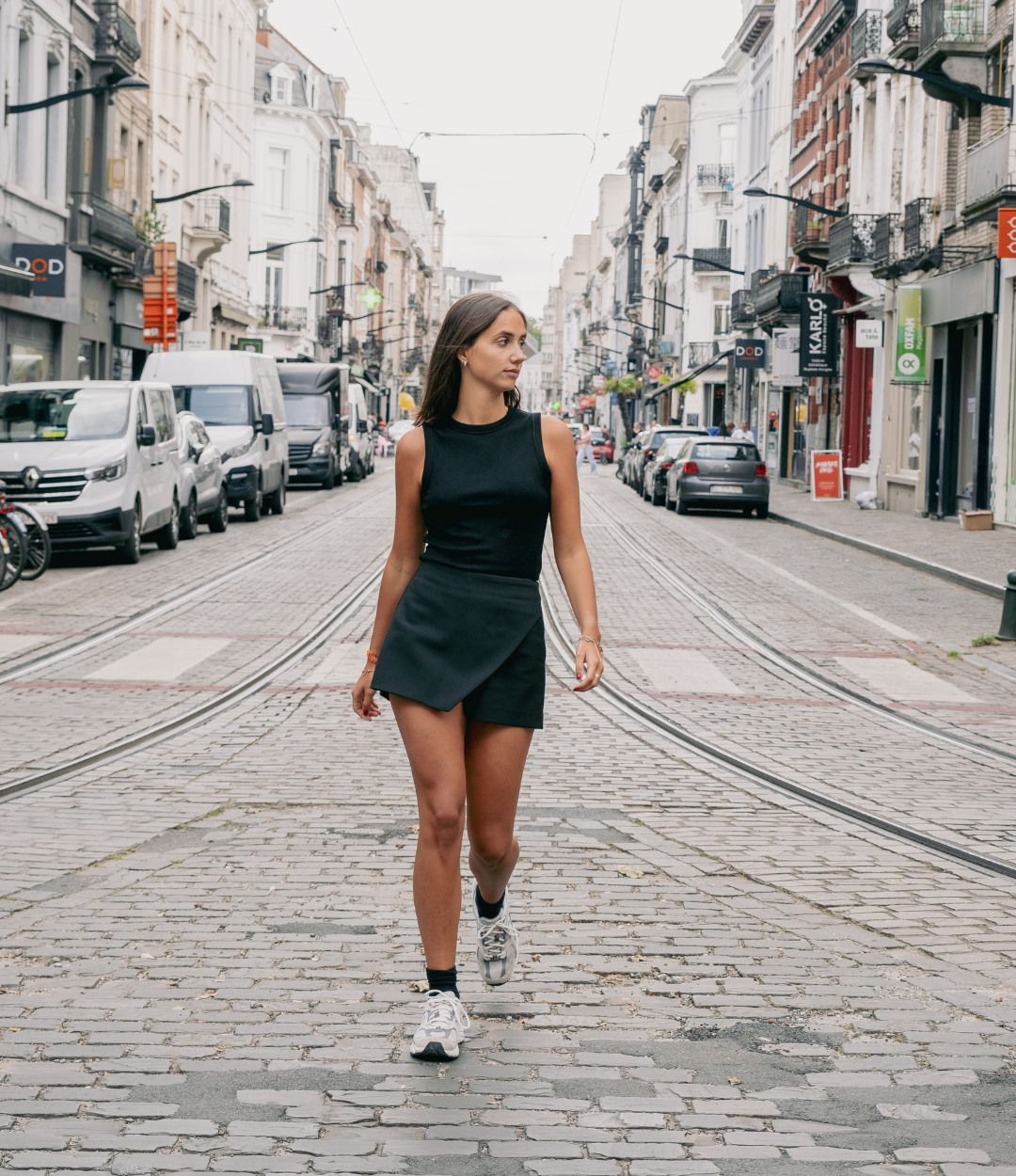
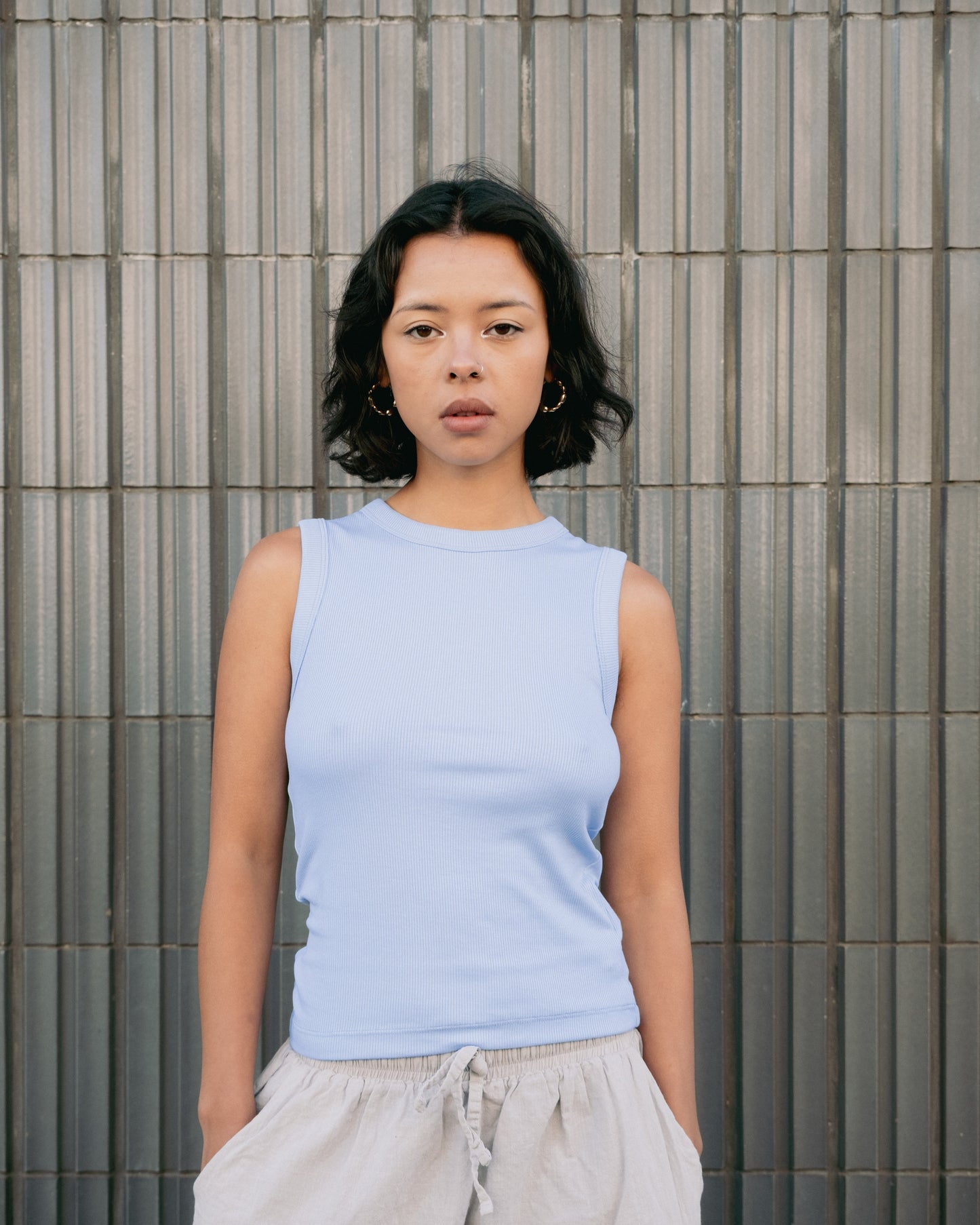
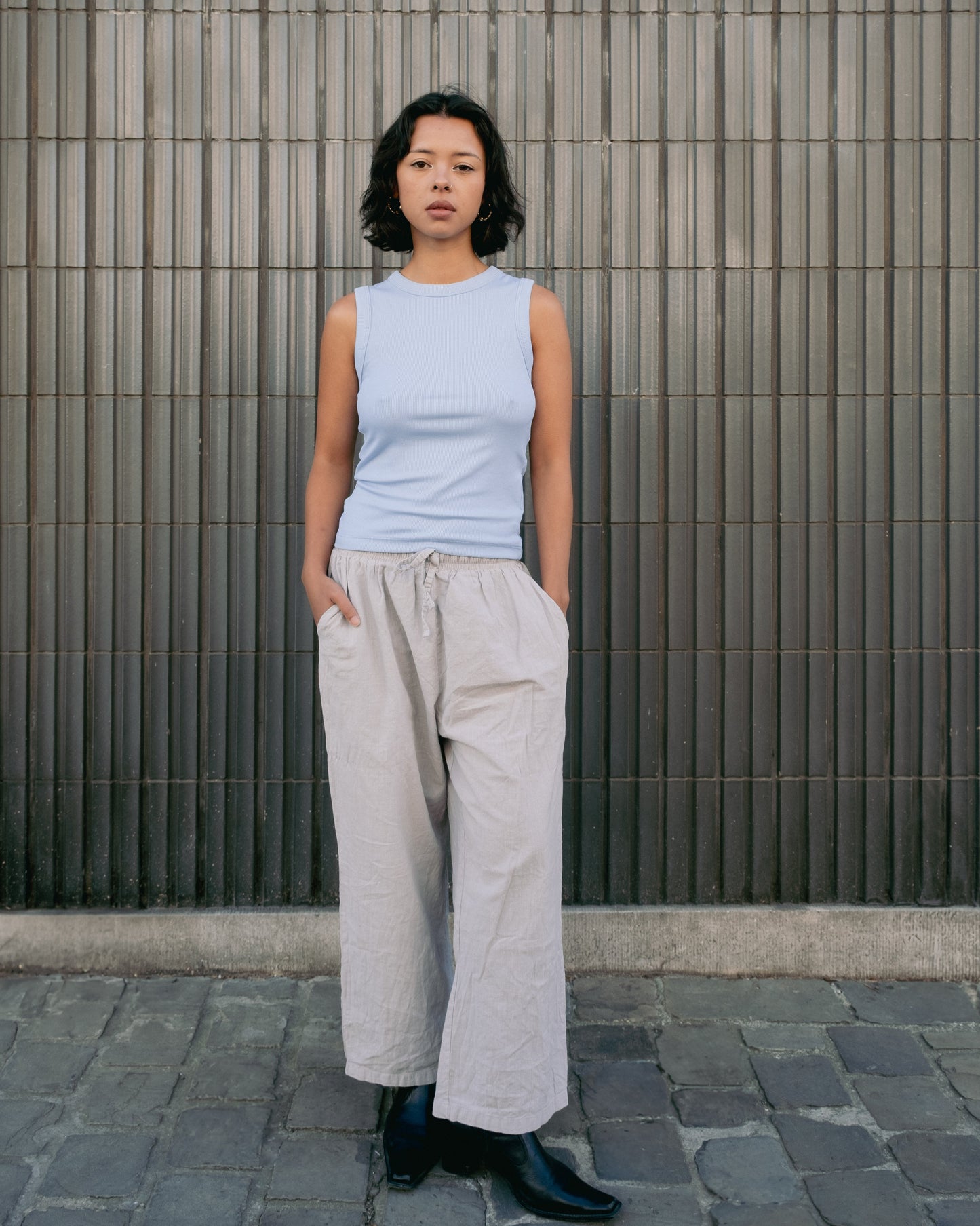
⭐ We launched a top in Ecovero and it's just perfect !
What is Ecovero?
As usual when we develop a new garment, we're suggested using cotton . And we hesitated for at least two whole seconds 🙃
But in reality, we're not fans of this plant which has a water drop that we wouldn't want to climb on a bike.
In fact, since the creation of Lucid, we've wanted to launch a clothing line made from Ecovero or Tencel (similar fabrics) thanks to their incredible technical characteristics and limited environmental impact. The development of this new garment therefore came at just the right time.
But Jamy, what exactly is Ecovero?


Is Ecovero better than cotton?
We told you earlier that we hesitated for at least 2 whole seconds between cotton and the choice of fabric.
This was mainly due to the fact that during our research, we saw almost exclusively cotton clothing, whereas we are generally against it .
And upon examining the case of the Ecovero, we were quickly won over:
💧 Uses almost 10x less water than cotton, 2x less than viscose
🌫️ Emits almost 2x less CO2 than cotton and viscose, and releases no other toxic gases because the transformation process is closed-loop.
♻️ Biodegradable because it is bio-based; the textile decomposes naturally in different environments once it reaches the end of its life (this is tested/certified by a third-party organization)
🔎 Traceable thanks to a manufacturing system unique to Lenzing: each textile produced must go back through their labs to verify its quality and sourcing
🌳 More sustainably sourced : the wood used is certified by labels such as FSC and PEFC (normally not from deforestation). The material is even certified by the EU Ecolabel, which should ensure that its production involves a lower environmental impact than average.
The Ecovero is kind of like the ideal son-in-law, you know.

Is the Ecovero comfortable?
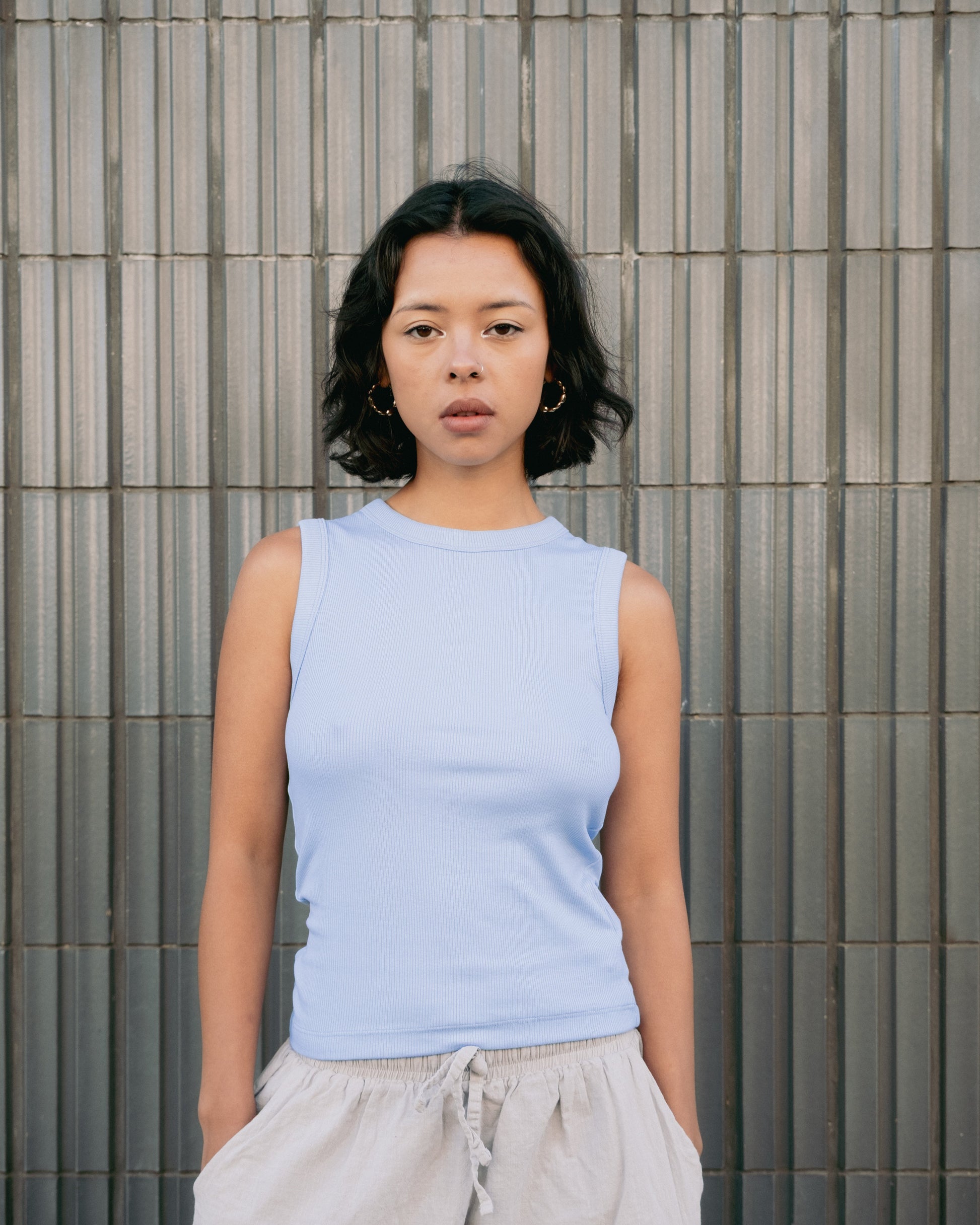
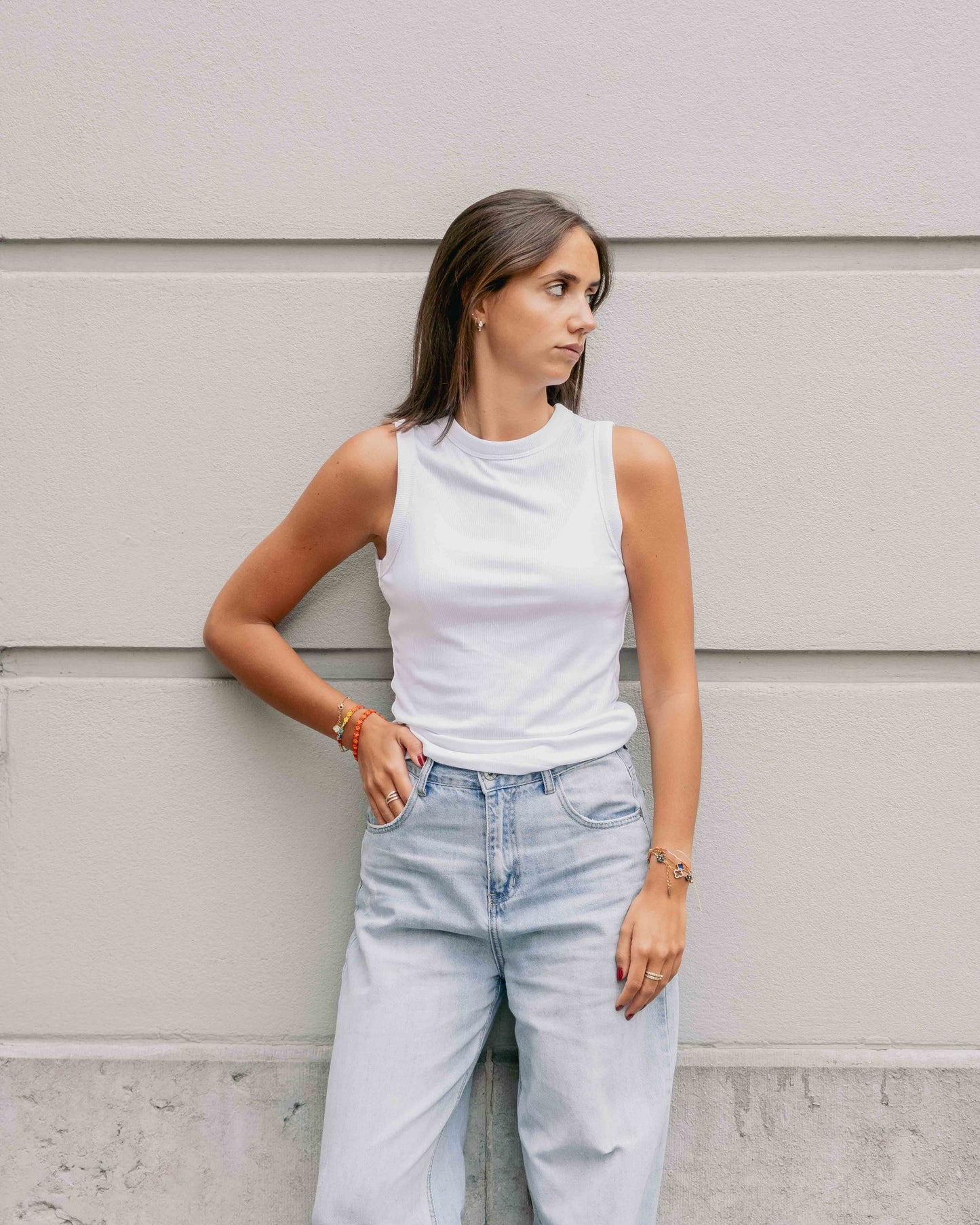
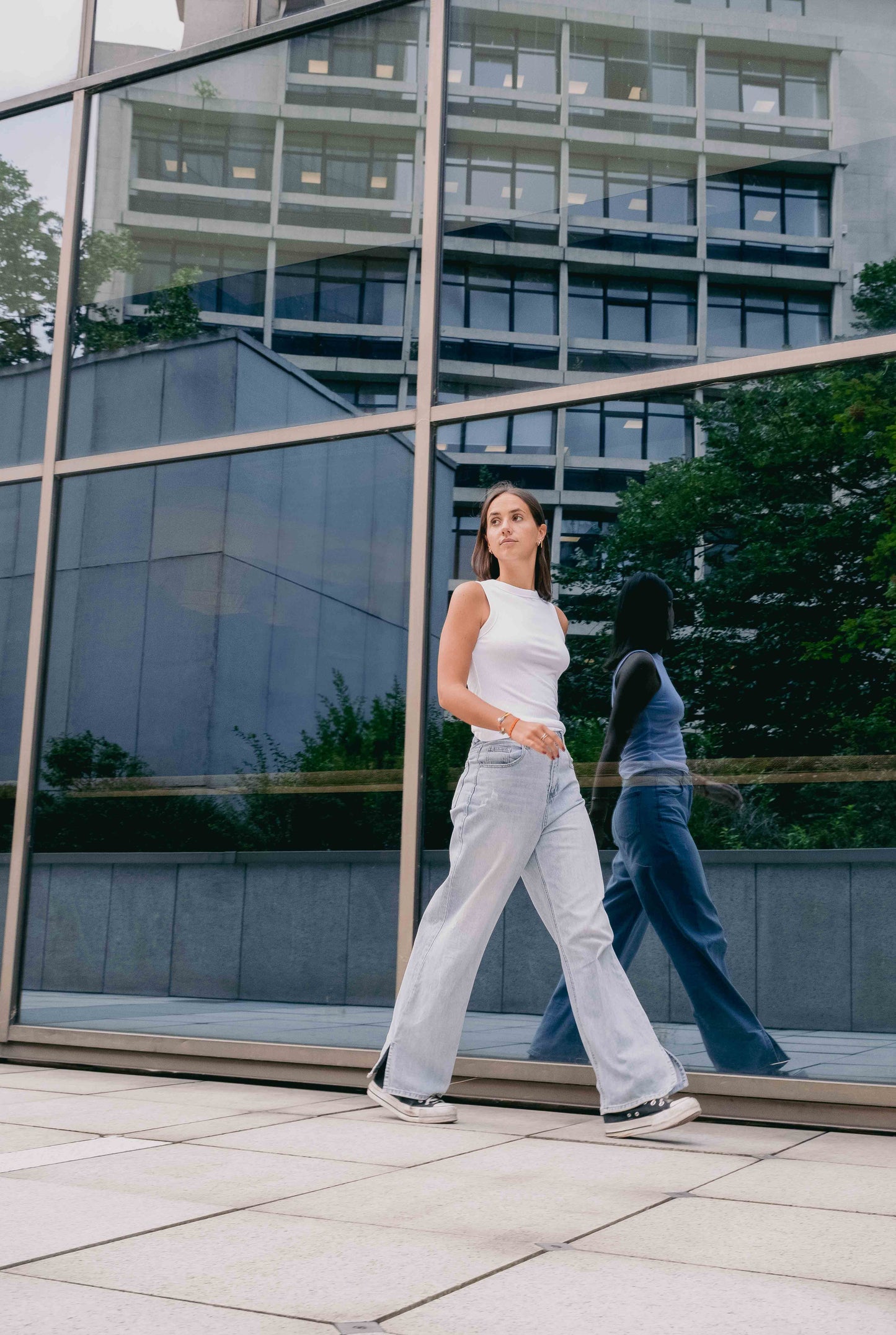
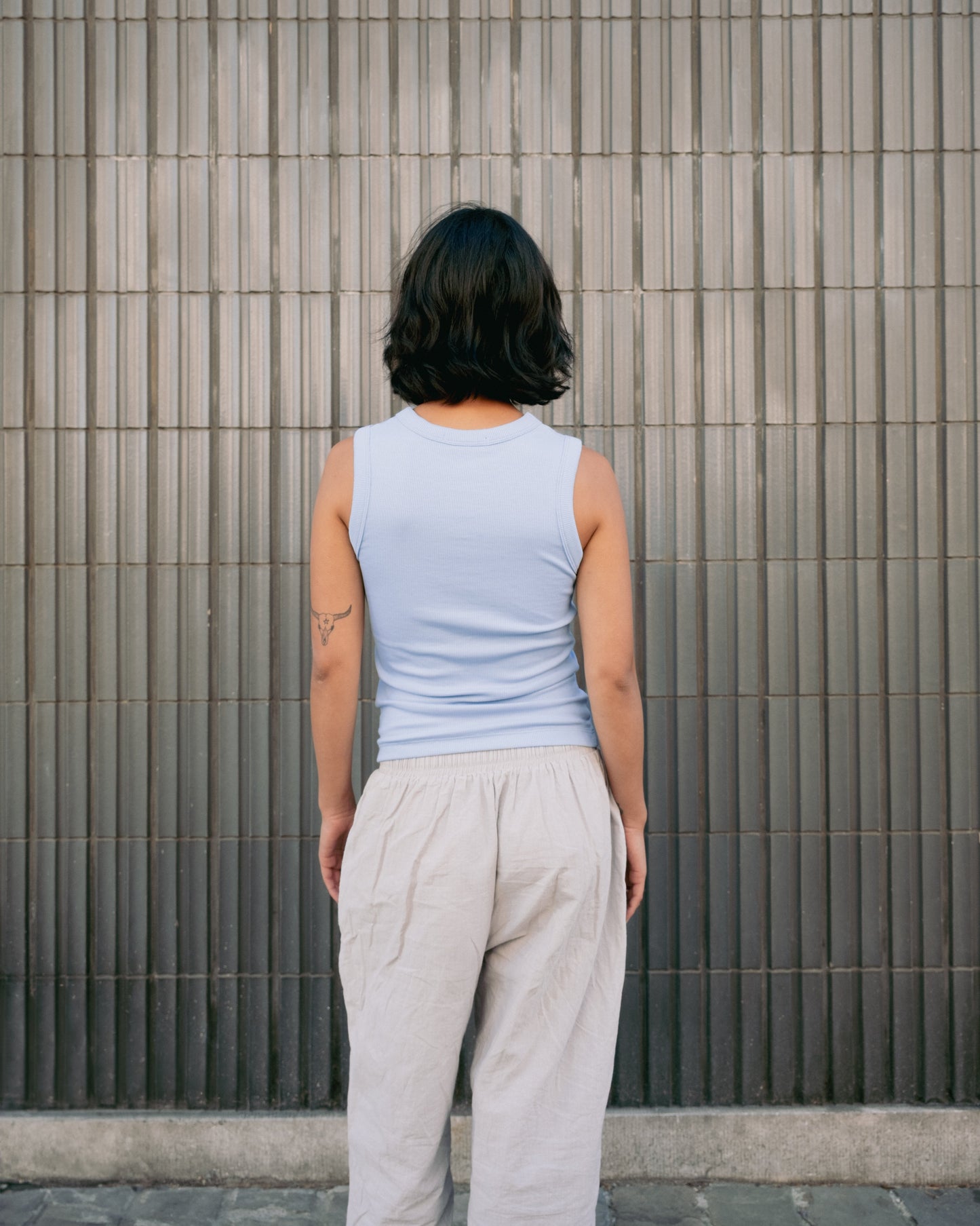
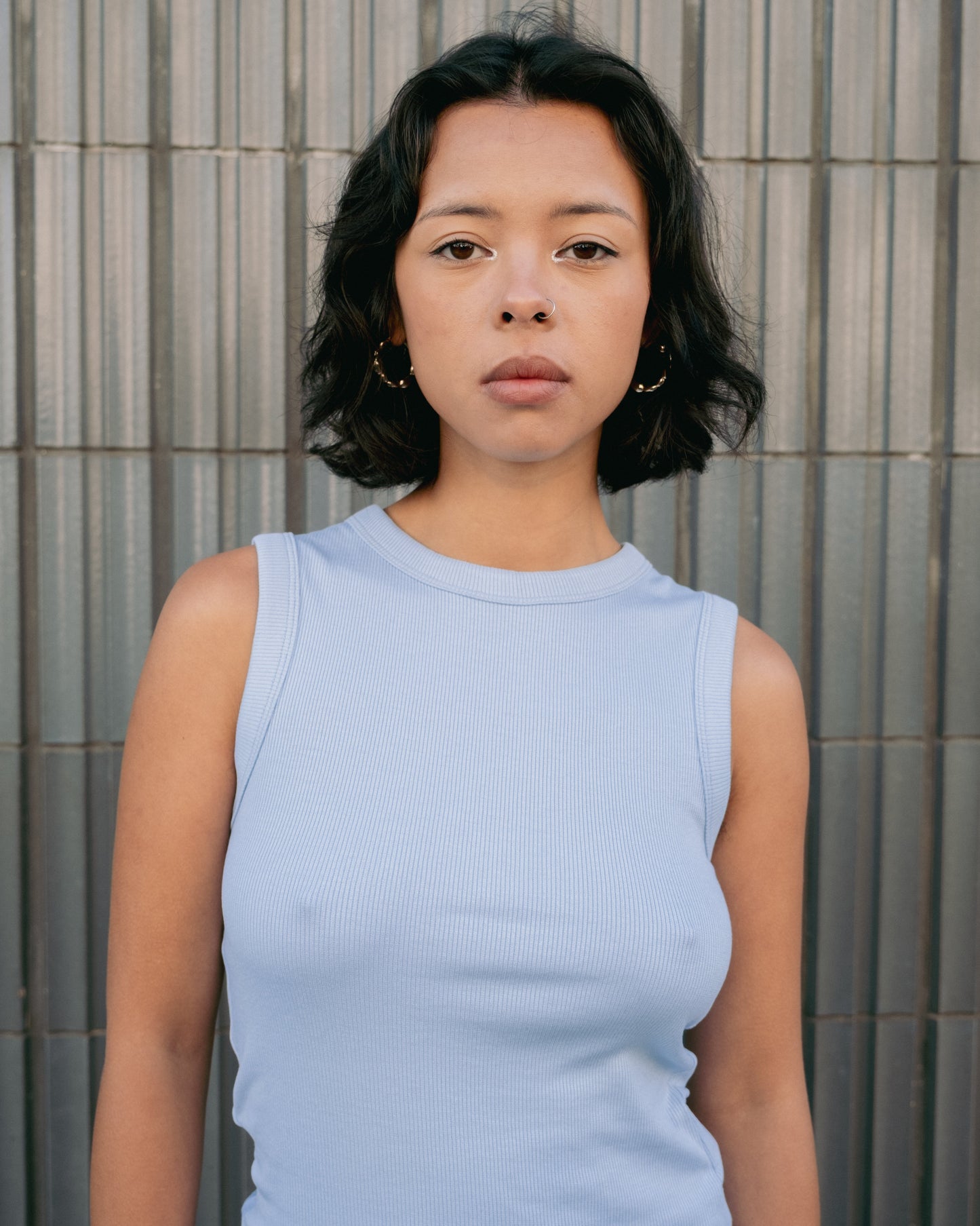
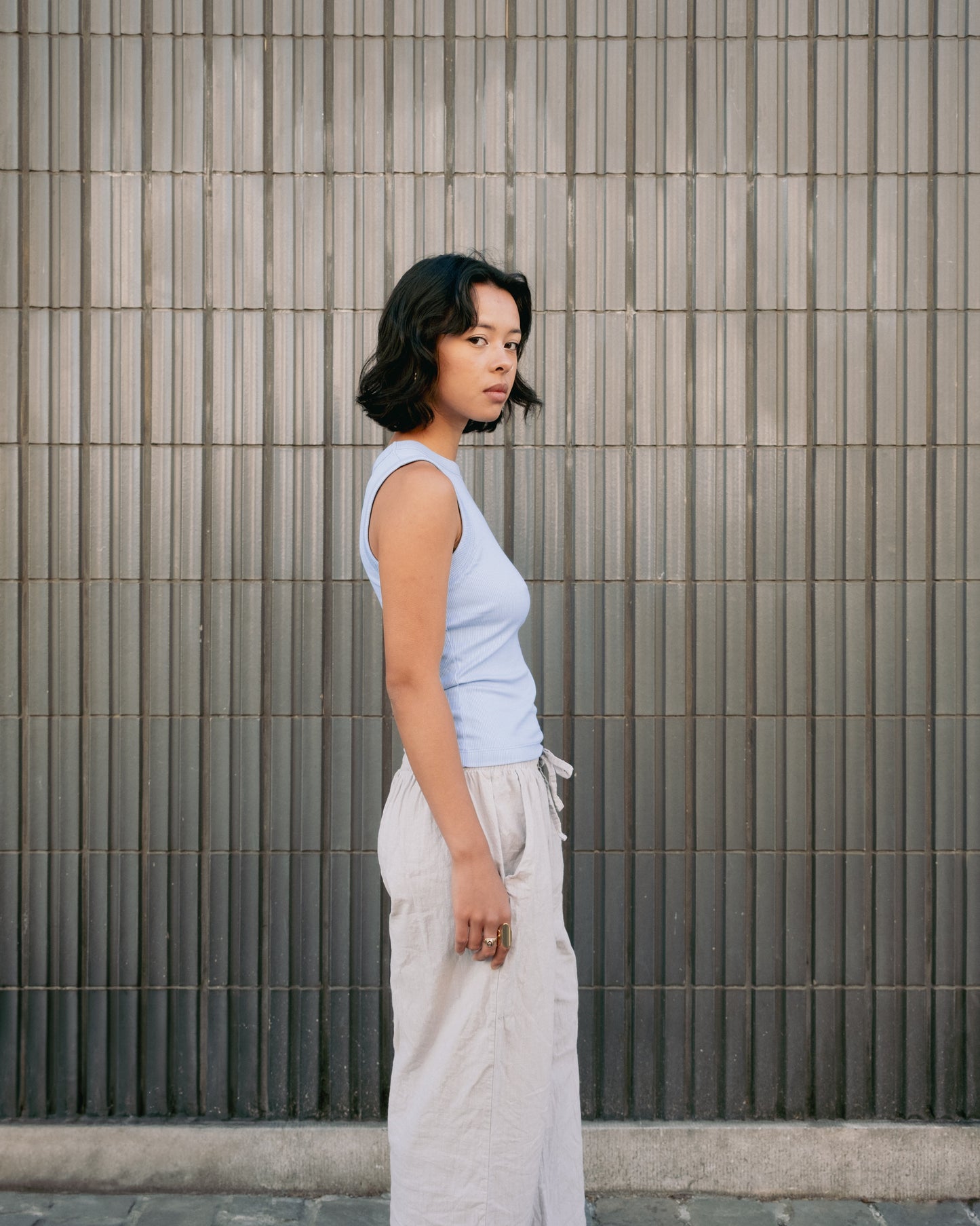
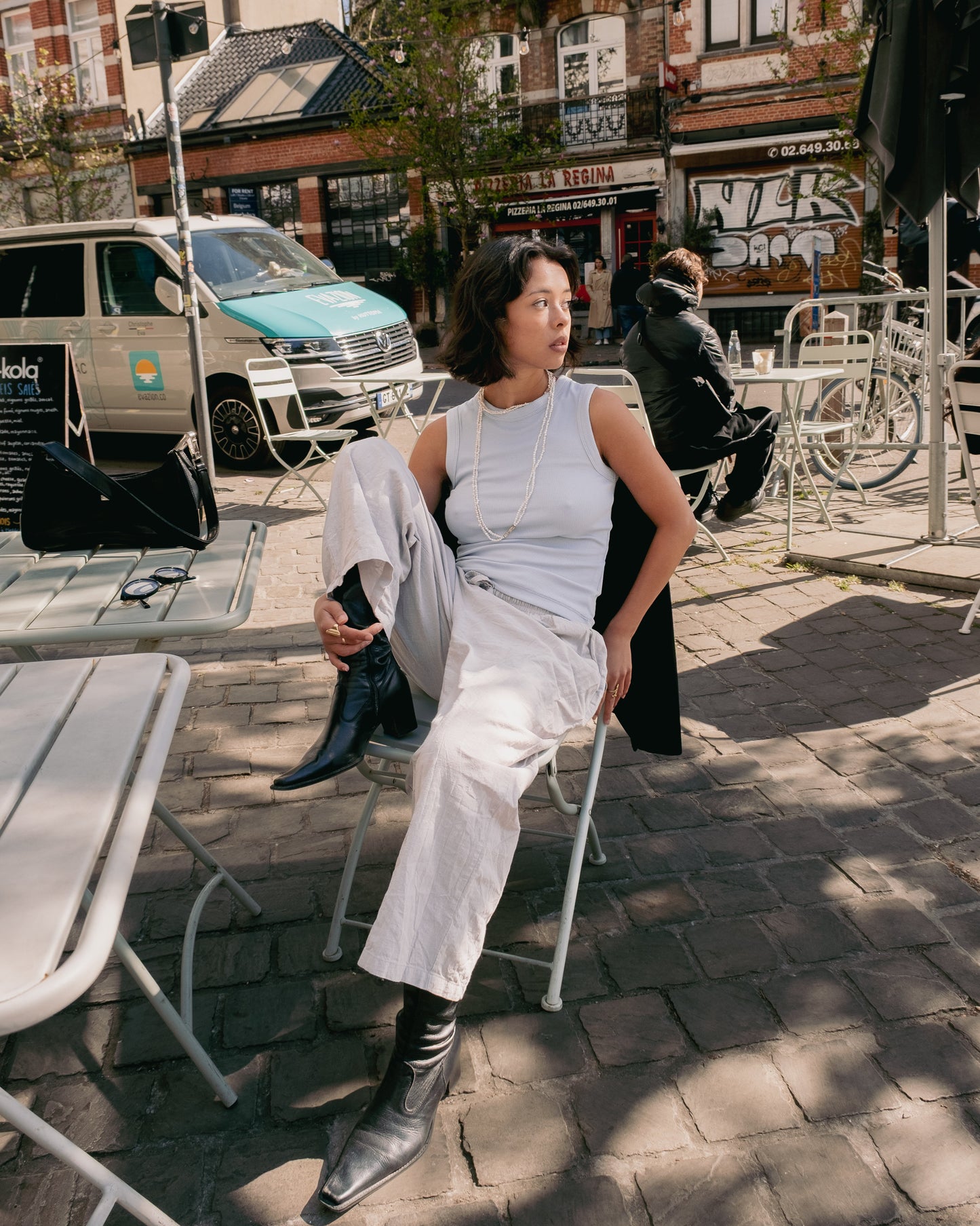
To talk to you about comfort, we first have to tell you a little about this famous piece : a tank top, also simply called a “top”.
The idea to develop this piece didn't come from us; it came from the numbers. We noticed that Lucid was followed by 69.7% women on social media, while two out of three Lucid garments sold are men's models. 🤔
So we concluded that our wardrobe was missing a typically feminine item of clothing. Like Bermuda shorts (yes, okay, we've come a long way).

Our community made us understand that they could not easily find sustainable and local alternatives and, above all, that there were no flowy and stylish tops made in Belgium .
So, to make it THE room you'll never want to leave, we had to optimize two things on this top :
1) The cut : from the beginning, the watchwords were elegance, freedom of movement, comfort and “you have to hide the bra strap”.
After about fifteen prototypes and a multitude of field tests, we found the perfect design.

- It has long fibers, so it is not prone to pilling.
- As strong as polyester
- Fluid and thin, therefore extremely soft to the touch
- High water absorption (more than linen and cotton), so perfect for staying comfortable in warm weather.
- Heat resistant, therefore less risk of shrinkage in the wash
And speaking of washing, this top is perfect for the laziest among us: Ecovero is not very wrinkle-resistant, so it doesn't necessarily need to be ironed (perhaps we should have started with this argument).
What are the disadvantages of Ecovero viscose?
As is typical at Lucid, we keep our feet on the ground and don't sell a solution as perfect.
The Ecovero also has some drawbacks :
- Significantly more expensive than cotton , which makes the final product less accessible
- Artificial fiber, therefore still dependent on chemical solvents (even if everything is done in a closed loop and 99% is recovered)
- Risk related to wood sourcing : it is essential to avoid wood sourced from deforestation and illegal trade. Certifications, as mentioned earlier, help minimize this risk, but zero risk is impossible.
So this is the best alternative we've found so far, but it's not perfect 🤝
Conclusion
This has been achieved with Ecovero. This material can completely replace cotton , offering similar uses and even more interesting technical characteristics.
Ecovero helps reduce the impact of certain garments with specific technical needs , which cannot be made from materials like recycled cotton.
Despite this, it is still necessary to be able to ensure the origin and transparency of the value chain , to avoid the raw material coming from deforestation.
This material allowed us to release our first typically feminine piece which, in our humble opinion, has the potential to challenge the textile industry.
Sources:
- Celep, G., D. Tetik, G., & Yilmaz, F. (2023). Limitations of Textile Recycling: The Reason behind the Development of Alternative Sustainable Fibers. IntechOpen
- Seisl, S., Hengstmann, R. (2021). Manmade Cellulosic Fibers (MMCF)—A Historical Introduction and Existing Solutions to a More Sustainable Production. In: Matthes, A., Beyer, K., Cebulla, H., Arnold, MG, Schumann, A. (eds) Sustainable Textile and Fashion Value Chains. Springer, Cham
- Lenzing (2017). The new standard in eco-responsible viscose
- Nguyen Q. (2023). How Sustainable Are EcoVero™ Fabrics? A Life-Cycle Analysis. www.impactfulninja.com
- Lemarchand C (2022). Ecovero viscose: ecological material or not? www.fairytale.eco
- Mesbah M. (2023). What is Lenzing Ecovero? We'll explain! www.marques-de-France.fr





2 comments
Je possède quelques T-Shirt en mélange Mérinos/Tencel et un T-Shirt en Tencel 90%/Viscose. C’est hyper agréable et confortable. En tant que cycliste au quotidien, je transpire assez bien, là aussi, cette matière est géniale, même humide, ça ne donne pas un effet de froid, à l’inverse du coton, et tout comme la laine, cela peut se porter plusieurs jours, sans odeurs désagréables. En aérant la nuit, bien entendu.
Super article merci beaucoup !